
case study
Omaha Ordinance on Encampent
ORD. 44395
September 19 – October 20, 2025
sponsored by:
Ideologix Insights
On September 23, 2025, the Omaha City Council held a public hearing on Council Vice President Brinker Harding’s proposed ordinance addressing unauthorized encampments on public property. The ordinance—formally titled “Unauthorized Encampments on Public Property” (ORD. 44395)—was introduced in response to increasing public health, safety, and sanitation concerns related to the presence of encampments on city-owned lands.
According to the Deputy City Attorney’s summary, the ordinance would (1) prohibit camping or maintaining an encampment on public property, (2) authorize transport to shelter prior to citation or arrest, (3) establish penalties for non-compliance of up to $300 or 30 days in jail, and (4) outline a property-removal process intended to protect the rights of displaced individuals.
Debate around ordinance 44395 quickly escalated, drawing significant attention from community stakeholders, service providers, advocates, and residents concerned about the balance between public safety and humane treatment of individuals experiencing homelessness. In this context, the Ideologix Insights Lab launched an independent public sentiment poll to gather Omaha residents’ views on the proposal ahead of the Council’s scheduled vote on September 30, 2025.
This case study documents the purpose, scope, methodology, and early insights generated from that public opinion effort.
Scope
Context of the Proposed Ordinance
Legislative intent, structure, and enforcement mechanisms (including shelter transportation, penalties, and property-handling procedures).
Timeline of council deliberation:
August 26, 2025 – First Reading
September 23, 2025 – Second Reading & Public Hearing
September 30, 2025 – Final Vote
Public Opinion Measurement
The design and administration of an online poll to understand resident sentiment on:
The ordinance’s perceived necessity and fairness
Attitudes toward public safety, homelessness, and city responsibilities
Beliefs about alternative solutions or policy improvements
Data Sources
Responses gathered from Omaha residents via the poll hosted by Ideologix Insights Lab
Public records from:
Omaha City Council agendas
Public hearing livestreams
Existing community resources related to homelessness
Analytical Goals
Identify support and opposition trends
Summarize key concerns or values expressed by residents
Capture representative quotes illustrating public sentiment
Provide policymakers with accessible, anonymized insights
METHODOLOGY
Survey Deployment
The Ideologix Insights Lab developed and hosted an online public sentiment poll tailored specifically to the content of ORD. 44395.
The poll launched shortly before the September 23 public hearing and remained open until the scheduled Council vote on September 30.
Participation was open to all Omaha residents; no personally identifiable information was collected.
Data Collection
Respondents were asked structured and open-ended questions to capture:
Level of agreement or disagreement with the proposed ordinance
Perceived benefits and drawbacks
Suggested alternative approaches
Personal experiences or perspectives related to public spaces and homelessness
Data Aggregation and Anonymization
All responses were aggregated for reporting and stripped of identifying details.
Open-text responses were coded into thematic categories (e.g., public safety, humanitarian concerns, enforcement practices, service capacity, community impact).
Supplementary Materials Reviewed
To contextualize resident sentiment, the analysis incorporated publicly available resources:
City Council agendas and legislative language for ORD. 44395
Livestreams of the September 23 public hearing
Omaha Homeless Resources and city service directories
Reporting
Results were prepared for public release and for submission to relevant community stakeholders.
This case study summarizes the findings and provides narrative interpretation to support policymaking discussions.
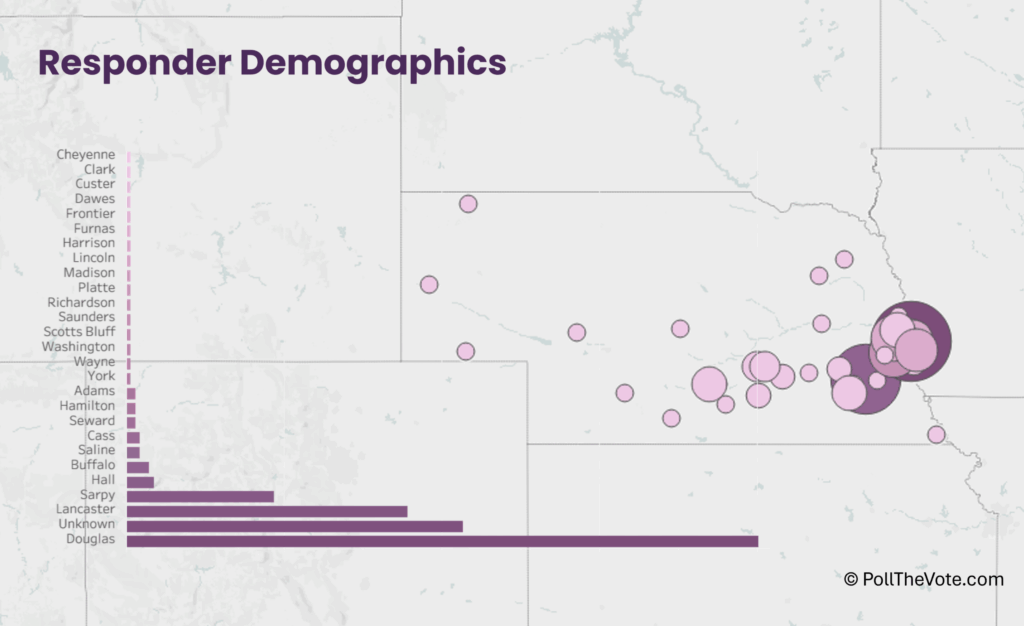
Participant Breakdown
Lorem ipsum dolor sit amet, consectetur adipiscing elit. Quisque tempus iaculis nisl, eget pellentesque est sagittis ac. Lorem ipsum dolor sit amet, consectetur adipiscing elit. Aliquam hendrerit, ante eu consectetur tempor, purus sapien rutrum dolor, sollicitudin volutpat risus nulla sodales ex. Suspendisse lacinia dapibus tortor non ornare. Donec vel tempus tortor, ac molestie mi. Duis maximus iaculis diam eu imperdiet. Sed ligula odio, convallis vitae quam eget, pharetra posuere lectus.
QUESTION
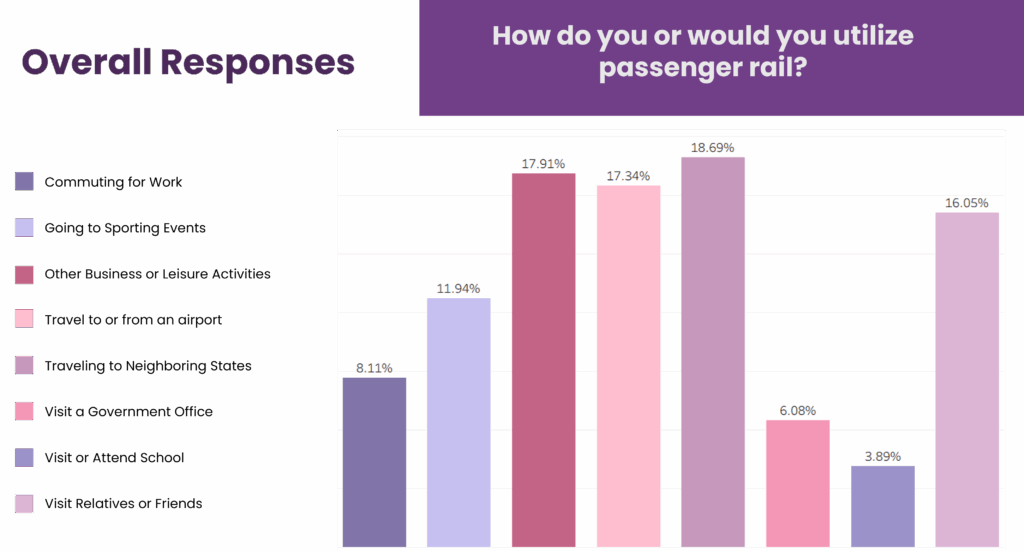
Lorem ipsum dolor sit amet, consectetur adipiscing elit. Quisque tempus iaculis nisl, eget pellentesque est sagittis ac. Lorem ipsum dolor sit amet, consectetur adipiscing elit. Aliquam hendrerit, ante eu consectetur tempor, purus sapien rutrum dolor, sollicitudin volutpat risus nulla sodales ex. Suspendisse lacinia dapibus tortor non ornare. Donec vel tempus tortor, ac molestie mi. Duis maximus iaculis diam eu imperdiet. Sed ligula odio, convallis vitae quam eget, pharetra posuere lectus.
QUESTION
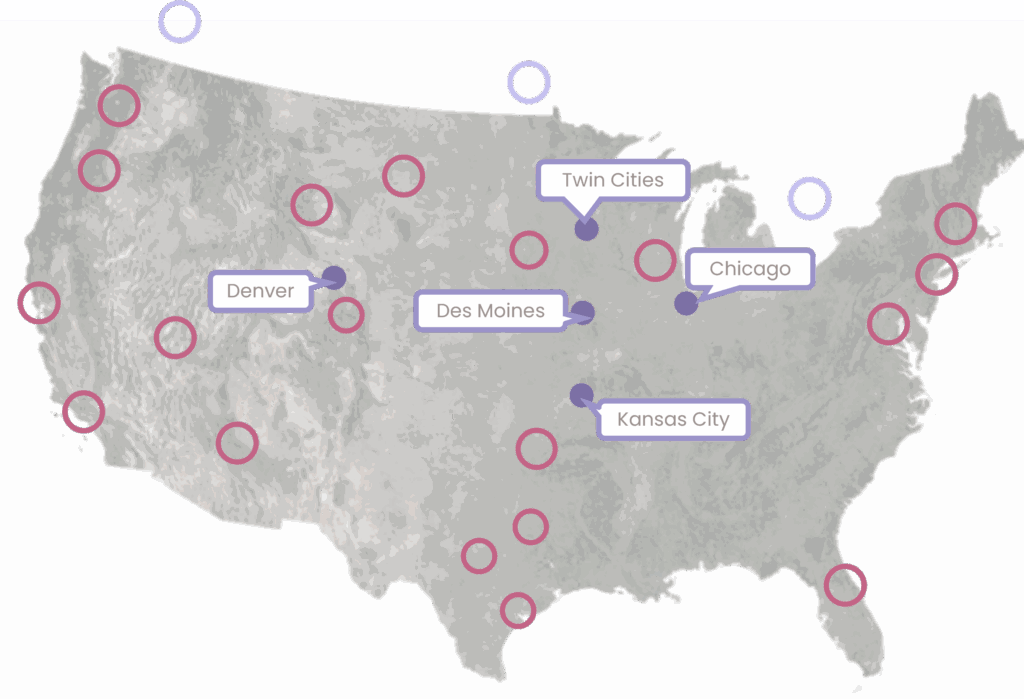
Lorem ipsum dolor sit amet, consectetur adipiscing elit. Quisque tempus iaculis nisl, eget pellentesque est sagittis ac. Lorem ipsum dolor sit amet, consectetur adipiscing elit. Aliquam hendrerit, ante eu consectetur tempor, purus sapien rutrum dolor, sollicitudin volutpat risus nulla sodales ex. Suspendisse lacinia dapibus tortor non ornare. Donec vel tempus tortor, ac molestie mi. Duis maximus iaculis diam eu imperdiet. Sed ligula odio, convallis vitae quam eget, pharetra posuere lectus.
participant feedback
TOPIC
“Qualitative Response….”
“Qualitative Response….”
TOPIC
“Qualitative Response….”
“Qualitative Response….”
TOPIC
“Qualitative Response….”
“Qualitative Response….”